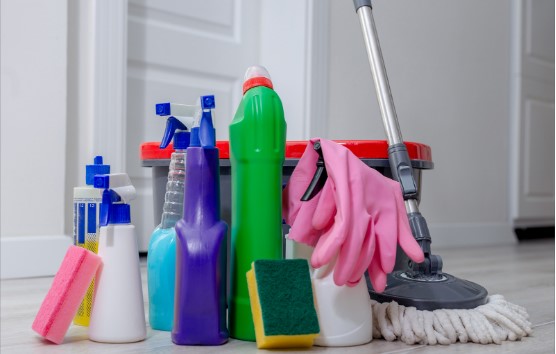
Cleaning, disinfection, and sterilization are all important processes used to protect people from the spread of germs and bacteria. While they are related, each process has its own unique purpose, and it is important to understand the differences between them in order to ensure that you are taking the necessary steps to keep your environment clean and hygienic. In this blog post, we will discuss the differences between cleaning, disinfection, and sterilization so that you can make informed decisions about how best to protect against germs in your home or office.
Cleaning
Cleaning does not necessarily kill germs; instead, it removes dirt and debris from surfaces so that pathogens cannot spread through contact with them.
This is done through a variety of methods such as sweeping, mopping, wiping down surfaces with detergent-based cleaners, vacuuming carpets, and using a high-pressure washer for outdoor areas.
It is important to note that while cleaning does remove dirt and debris from surfaces, it does not necessarily remove all germs which mean additional steps need to be taken in order to ensure proper hygiene.
Disinfection
Disinfection kills most germs on hard surfaces by using chemical solutions or heat. Chemical disinfectants work by breaking down the cell walls of bacteria which then destroy them completely.
Heat-based disinfectants work by exposing objects to high temperatures which denature proteins within microorganisms like bacteria thereby killing them off entirely. Disinfection should be used after cleaning in order to reduce further contamination on surfaces within an area.
Sterilization
Sterilization is a more extreme form of disinfection that involves killing almost all types of microorganisms including bacteria, viruses, fungi, and spores on both hard or soft surfaces as well as medical instruments or implants such as pacemakers or heart valves.
This is done either through steam under pressure (autoclaving) or strong chemicals (ethylene oxide). Sterilization should only be performed when absolutely necessary such as before surgery or when dealing with highly infectious materials like blood samples or human tissue samples since it is much harsher than regular disinfection methods which can damage materials over time if not properly monitored.
To Sum Up:
In conclusion, understanding the difference between cleaning, disinfection, and sterilization is essential for maintaining proper hygiene in any environment.
Cleaning removes debris from surfaces without necessarily killing any germs whereas both disinfection and sterilization use chemical solutions or heat in order to kill off microorganisms like bacteria or viruses on hard surfaces.
Knowing when best to use each method is key for ensuring effective protection against contamination sources within an area so make sure you have a plan in place before beginning any kind of sanitation process!